From pandas to precious stones: The hidden language of gift diplomacy
The exchange of gifts between heads of state reads like a quiet language of power and friendship. From grand gestures that become symbols of shared history to quirky tokens that spark curiosity, diplomatic presents serve to showcase national identity, signal goodwill, and create personal connections.
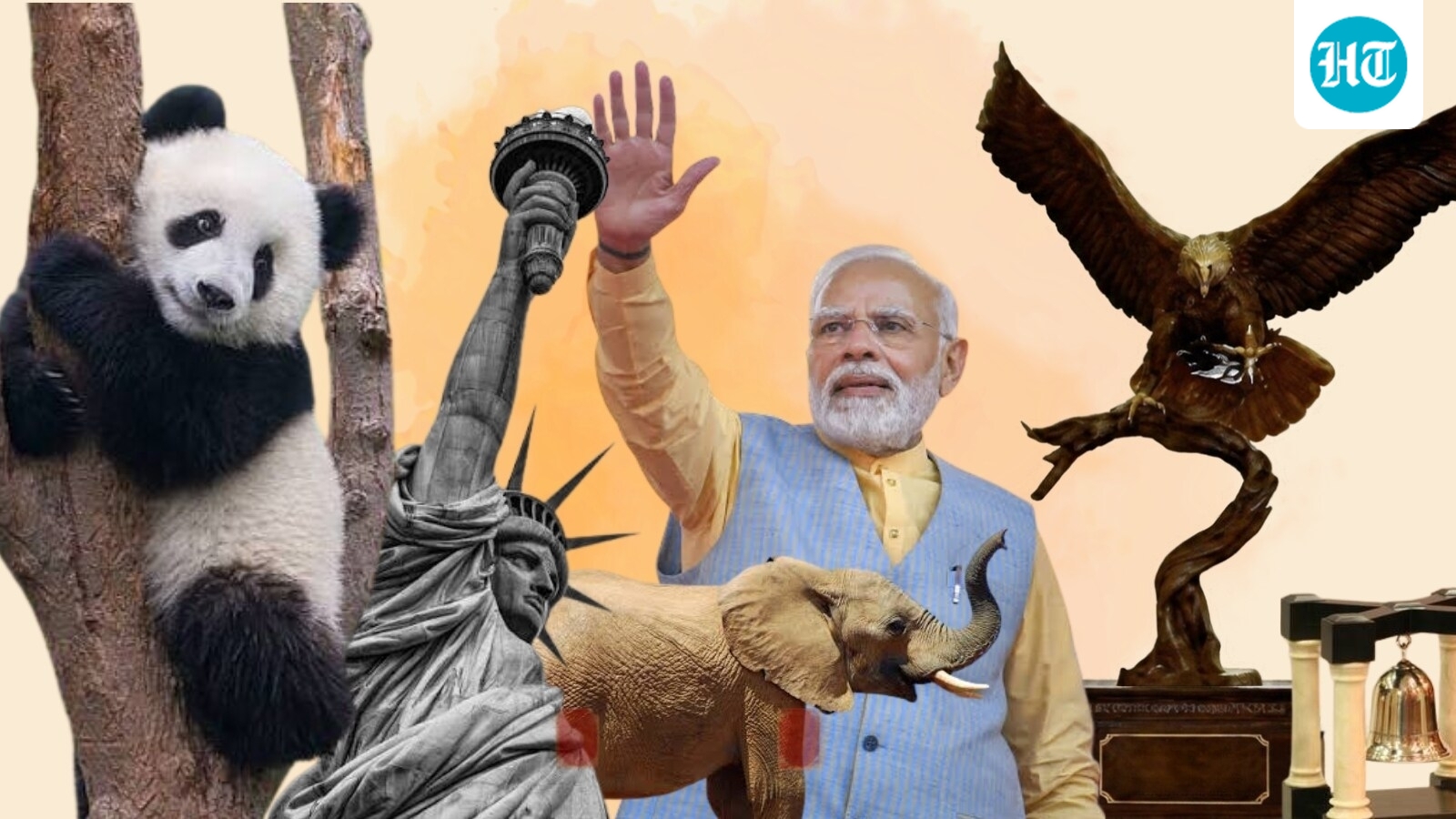
One of the most iconic offerings is the Statue of Liberty, a monumental gift from France that still greets visitors to New York. Less grand but equally memorable was a metal wine cooler shaped like a giant grasshopper presented to the British monarch in 1972, and a chocolate sculpture of India Gate that briefly traveled from Belgium to New Delhi before melting away.
China has turned the giant panda into a rolling ambassador, a practice known as Panda diplomacy that began in the 1950s and has since linked Beijing with the Soviet Union, North Korea, the United States, Japan, Malaysia, Australia, Canada and France. The cuddly bears carry a message of goodwill that often softens more rigid diplomatic talks.
India has cultivated its own gift tradition since the early years of independence. An elephant was sent to Japan at Jawaharlal Nehru’s request, while later leaders have offered silk carpets, marble tabletops inlaid with precious stones, handcrafted pashmina stoles embroidered with Tagore verses, and even a 7.5‑carat lab‑grown diamond presented in a paper‑pulp box. Prime Minister Narendra Modi frequently highlights tribal artisans, sending wooden‑marble‑silver bookends to the United Kingdom and a silver train model to the United States.
Recent gatherings continue the practice. At the BRICS Summit in New Delhi, delegates received goodie bags containing regional foods such as Bihar’s sattu and Odisha’s coffee. In 2026, a Swedish leader exchanged a collection of Rabindranath Tagore works and a handcrafted bag for a set of Tagore epigrams, underscoring how cultural heritage remains a potent diplomatic currency.